Why do hackers target small businesses?
 By David Freeland3 min read ·
“Who would bother with us?”
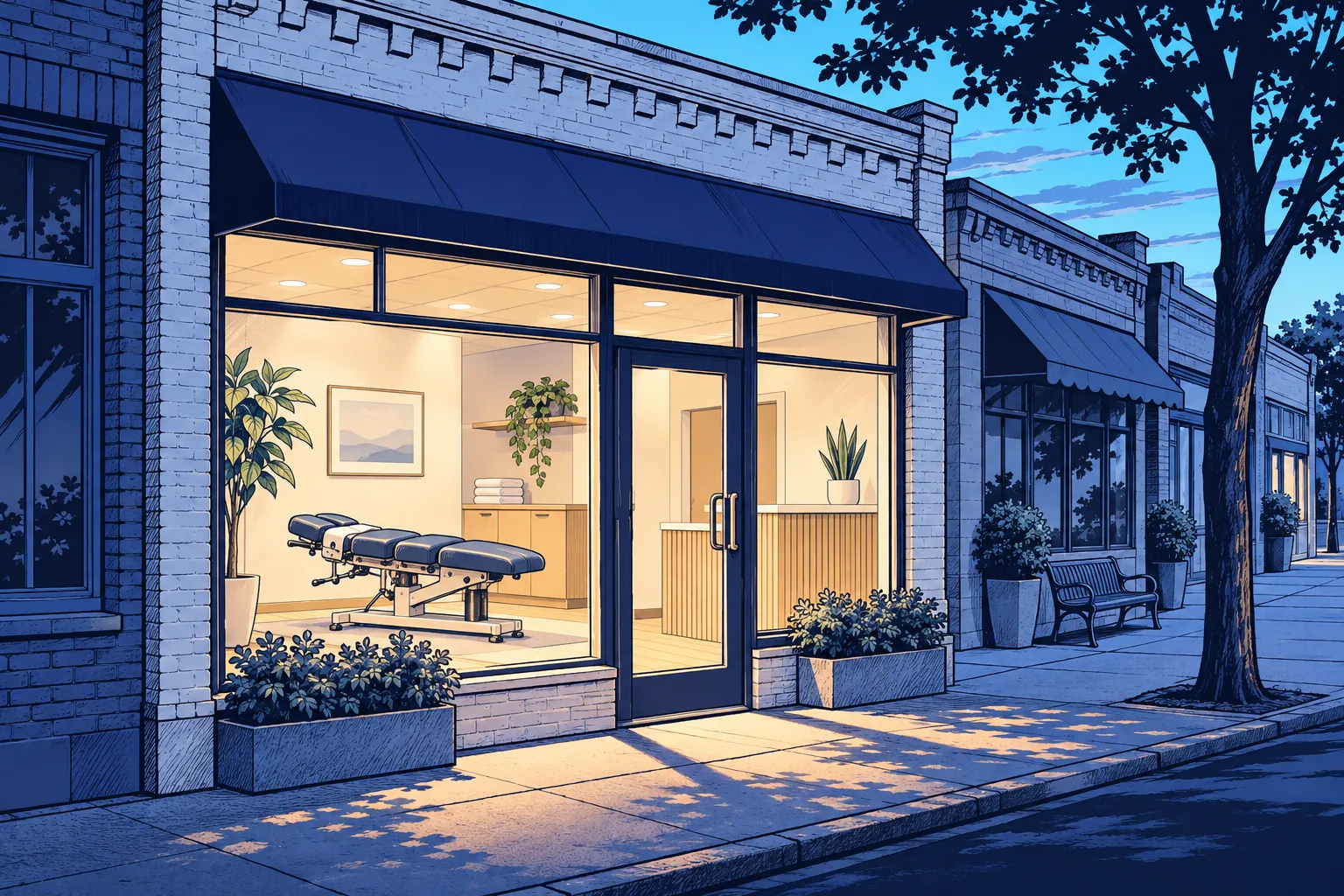
It’s the end of a long Tuesday. You and your office manager are the last ones out. She checks the back door, sets the alarm, and locks the front. On the way to your cars, she mentions a news story about a medical office hit with ransomware. Should the clinic be worried?
You give the answer you’ve given before. “We’re a small clinic. Who would bother with us?”
She locks the doors every night to protect what’s inside. The patient records on the clinic’s computers need that same protection.
One bite at a time
Most attackers aren’t looking for your clinic in particular. In February 2026, the head of the United Kingdom’s National Cyber Security Centre put it this way: most attackers “don’t care about size, reputation or logos.” They’re looking for openings. In the U.S., the Cybersecurity and Infrastructure Security Agency (CISA) says attackers “actively look for open vulnerabilities, like weak credentials or outdated software.” Their programs scan the internet for those weak spots. They don’t need to know your name.
Then they go where getting in is quickest. There’s an old question: how do you eat an elephant? The answer: one bite at a time. A large company is a hard meal. It usually has a security team watching and more resources available. A small business is a quick bite. Take enough of them, and it adds up to a healthy meal.
The numbers back this up. In Verizon’s 2026 breach report, small and medium-sized businesses made up about 96% of the ransomware victims, among cases where the business size was known. Verizon counts any business under 1,000 employees. It says these businesses face the same threats as large ones, but “often with less resources available.” The U.S. Small Business Administration says small businesses “may lack the means to protect their digital systems.”
Chiropractic clinics are no exception. In July 2026, a chiropractic clinic in Maine found that ransomware had locked its electronic records. The clinic says it didn’t pay the ransom. Its notice says the names, birth dates, health information, and insurance details of up to 5,000 people may have been exposed. On July 31, a ransomware group claimed online that it had patient records and medical histories from the clinic. That’s the attackers’ word, reported by a threat-tracking site, not something the clinic has confirmed.
Every clinic holds that same kind of information. If ransomware hits yours, not being able to check patients in would be the least of your worries. HIPAA can require you to notify every patient whose information was exposed and to report the breach to HHS. Patients who trusted you with their care would get a letter saying their private details may be in the wrong hands.
What HIPAA expects from a small clinic
HIPAA doesn’t excuse a clinic for being small, but it does let size shape the plan:
- 45 CFR § 164.306(a) asks every clinic covered by HIPAA to protect patient information against “reasonably anticipated threats or hazards.”
- 45 CFR § 164.306(b) lets a clinic choose its safeguards based on its size, its technology, and what each safeguard costs.
Small changes the plan. It doesn’t change your duty to have and implement one.
Make your clinic a harder target
Verizon found the same three paths into small businesses year after year: break-ins that plant ransomware or other harmful software, attacks on logins to websites and email, and scams aimed at staff. Each step below closes off part of one.
- Keep everything updated: Turn on automatic updates for computers, phones, and software. In Verizon’s 2026 report, 31% of breaches started with a weak spot in software.
- Add multi-factor authentication (MFA): Use it for email, the EHR, banking, and insurance portals. With MFA, signing in takes a second step, like a code sent to your phone.
- Teach the team to pause: Scam emails and texts are built to rush people. A quick call to the sender, at a number you already have, catches many of them.
- Find out who’s watching: Ask your IT company what it monitors after hours, and who gets the call when something looks wrong.
Small doesn’t have to mean unprotected. Make these steps routine, and your patients’ information is better protected, your team knows what to watch for, and you have one less thing to worry about.
Disclaimer: This guide shares general information about HIPAA. It isn’t legal advice. For advice about your clinic, talk with a compliance professional or a lawyer who knows healthcare law.
Last reviewed November 12, 2026.
References & statutory citations
- UK Department for Science, Innovation and Technology and National Cyber Security Centre: Businesses urged to “lock the door” on cyber criminals as new government campaign launches (press release, February 17, 2026). (opens in a new tab)
- Cybersecurity and Infrastructure Security Agency (CISA): Secure Your Business (undated; opened November 12, 2026). (opens in a new tab)
- Verizon: 2026 Data Breach Investigations Report (pages 97–98, small- and medium-sized businesses; incidents from November 1, 2024, through October 31, 2025). (opens in a new tab)
- U.S. Small Business Administration (SBA): Strengthen your cybersecurity (updated October 27, 2026). (opens in a new tab)
- Gardiner Family Chiropractic (Gardiner, Maine): Breach Notification (ransomware discovered July 17, 2026; notice undated; opened November 12, 2026). (opens in a new tab)
- DeXpose (threat-intelligence site; a secondhand report of the attackers’ claim, not confirmed by the clinic): Interlock Ransomware Strikes Gardiner Family Chiropractic (July 31, 2026). (opens in a new tab)
- U.S. Department of Health and Human Services (HHS), Office for Civil Rights: Breach Notification Rule (content last reviewed July 26, 2013; opened November 12, 2026). (opens in a new tab)
- U.S. Department of Health and Human Services (HHS): 45 CFR § 164.306, Security standards: General rules (eCFR, up to date as of October 23, 2026). (opens in a new tab)
- Verizon: Cybersecurity Insights for SMBs (2026 Data Breach Investigations Report infographic, 2026). (opens in a new tab)